 Call 330-784-1286 |
 We’re Hiring
  Financing Options
 4.9 Stars 3,650+ Reviews
Why Is My AC Leaking Water? Causes, Fixes, and When to Call a Pro
Contact the most reliable local HVAC technicians in the Akron, OH Area!
Book Online Book OnlineIf your AC is leaking water, there’s likely an underlying problem that needs fast attention. Quick professional service can help prevent numerous problems, such as structural damage, mold growth, and a complete system breakdown. Understanding the situation, including the signs of trouble and potential causes of the leak, can help you determine when to call an HVAC technician.
Where the Water Is Coming From: How the Condensate System Works
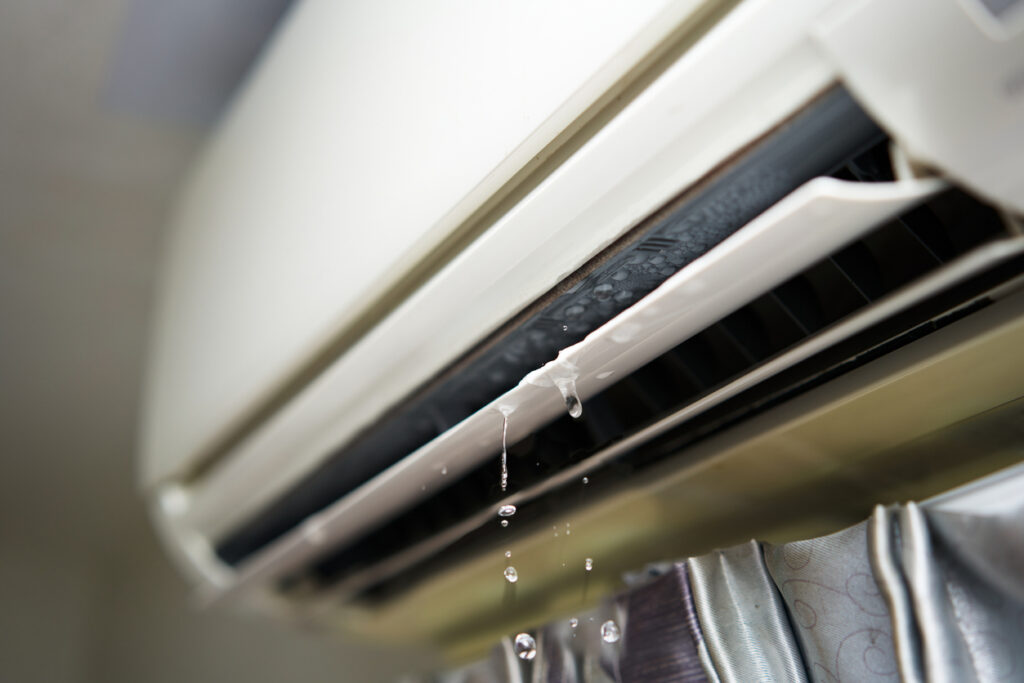
When your AC draws moisture from the air during the cooling process, its condensate system is responsible for removing it effectively. The moisture drips from the evaporator coil and collects in the drain pan below it, where it flows through the condensate drain line. The next step depends on your AC’s setup. For example, it may go to a condensate pump, floor drain, or outside the home.
During normal operation, you won’t see any excess liquid dripping from your air conditioner into your home. If there’s a problem, you might notice issues like pooling water or moisture around the unit. There are several reasons that your AC might start leaking water.
Cause #1: A Clogged Condensate Drain Line
A clogged condensate drain line is one of the major causes of a leaking air conditioner. It’s often due to an internal buildup of sludge or algae that’s keeping the moisture from draining properly. If your unit has an overflow switch, it may kick in and shut the AC off to prevent severe damage. Use a wet/dry vac to remove any water that has pooled on the floor before it causes structural damage or creates a slip-and-fall risk.
Cause #2: A Dirty Filter, a Frozen Coil, and Melting Ice
Dirty filters might not seem like a major problem, but they can restrict airflow and cause frozen evaporator coils. When the built-up ice eventually melts, it can lead to a leaking AC.
Maintenance can help prevent this issue from happening. We recommend replacing your dirty filter every 1 to 3 months to ensure air can flow properly. During peak-usage seasons like summer, changing it monthly is ideal, especially if there are pets or kids in the home.
Cause #3: Dirty Evaporator Coils and Restricted Airflow
Dirty evaporator coils are another potential reason for restricted airflow. Debris coats the coil and essentially insulates it. When this happens, the refrigerant can’t properly do its job of absorbing heat.
Surprisingly, duct cleaning is a way to help prevent this issue. This service removes significant debris from the ducts, reducing the amount that lands on the evaporator coil. It also offers numerous other benefits, including helping to improve your indoor air quality.
Cause #4: A Cracked Drain Pan or Failed Condensate Pump
A failed condensate pump or a cracked drain pan may also cause a leaking AC, with the former being common in basements and attics. These situations are usually due to age and correspond to normal wear and tear.
What You Can Safely Clean Yourself
Shut off power at the disconnect and the breaker before cleaning any part of your air conditioner.
- Replace the air filter: Remove the dirty filter and install a new one in the correct direction.
- Clean accessible coils: Use a vacuum with a soft brush attachment to remove loose debris from accessible indoor or outdoor coils.
- Clear the condensate drain line: Attach a wet/dry vacuum to the outside end of the drain line and run it for several minutes to remove algae, sludge, or other buildup.
If the water returns within a week, the clog may not be the real problem. Scheduleprofessional AC repair services to have the system inspected.
When Leaking Signals a Refrigerant Problem, and Why That’s a Pro Call
Warm air flowing from supply vents, pooling water, and hissing sounds from the unit are a few indicators that there may be a refrigerant leak. Low refrigerant will then cause the evaporator coil to freeze, which later melts and creates excess water. This is never a situation a homeowner should take on. Only technicians with EPA Section 608 certification should handle refrigerant.
Call Jennings Heating, Cooling, Plumbing, & Electrical For AC Repair in Northeast Ohio
When you need an AC repair, there’s no time to waste if summer is already underway. Extreme temperatures can make it unsafe and uncomfortable to be without reliable cooling. Before booking your appointment, make sure to ask us about our membership plan and our available discounts for military, civil servants, and first responders.
Contact Jennings today for dependable AC repair in Northeast Ohio.
Frequently Asked Questions
It’s understandable if you have questions about why your AC is leaking water and what you can do about it. Here are a few common ones we often receive from local Ohioans.
Is it dangerous if my AC is leaking water?
Can I still run my AC if it’s leaking water?
How much does it cost to fix an AC that’s leaking water?
Why is my AC leaking water only when it rains?
How often should I clean my AC’s condensate drain line?

Rewards Club
Join the Jennings Rewards Club and start enjoying exclusive membership benefits today!
Learn More
Proudly Serving Akron & Beyond Since 1931
 All Service Areas