 Call 330-784-1286 |
 We’re Hiring
  Financing Options
 4.9 Stars 3,650+ Reviews
When Should You Replace Your Electrical Panel? Signs, Timing, and Real Costs
Contact the most reliable local HVAC technicians in the Akron, OH Area!
Book Online Book OnlineYour home may need a new electrical panel if breakers trip repeatedly, the panel feels warm or smells like something is burning, or your existing service cannot support new electrical equipment. Replacement costs typically range from $2,500 to $3,500, although additional service upgrades can raise the price.
What Your Electrical Panel Actually Does
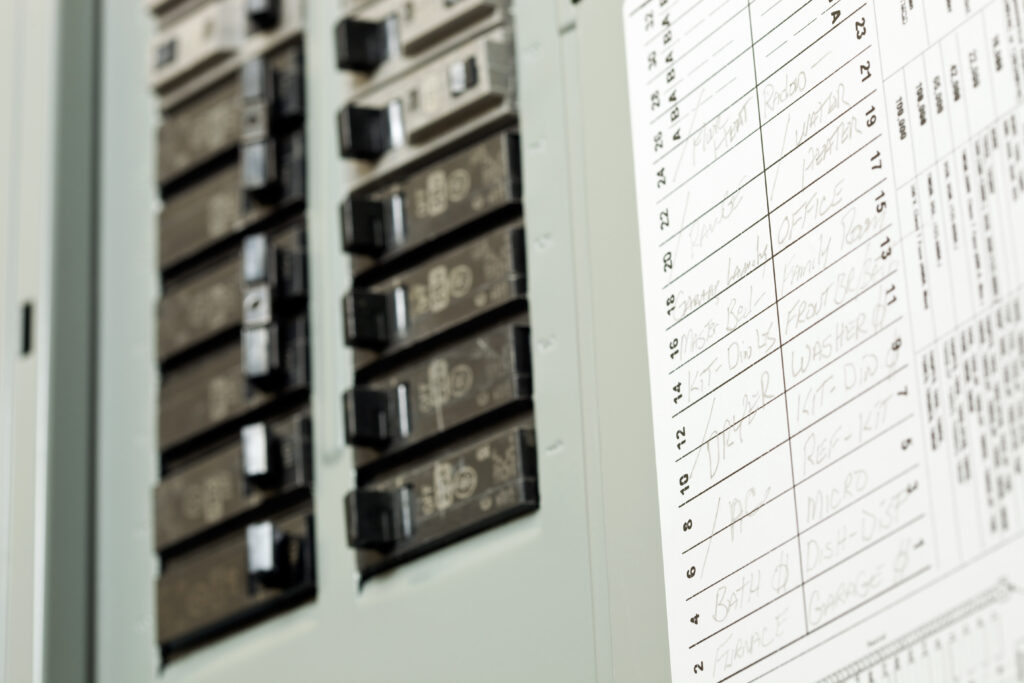
Electricity enters through the service entrance, which is the equipment that brings utility power into your home. Inside the panel, metal strips called bus bars distribute that electricity to the breakers. Each breaker protects one or more circuits by shutting off power when it detects an overload or short circuit. This helps prevent wires from overheating and reduces the risk of an electrical fire.
As households add larger air conditioners, home offices, and vehicle chargers, older panels may no longer provide sufficient capacity to safely handle everyday electrical use.
Warning Signs Your Panel Is Failing
Paying attention to warning signs can help you schedule repairs before a more serious problem develops. While an occasional trip simply means a circuit became overloaded, breakers that trip repeatedly under normal use often point to a panel that’s struggling to manage your home’s electrical demand.
A warm panel cover, burning odor, or visible rust warrants prompt attention from an electrician. Lights that flicker whenever large appliances start can also signal that your electrical system lacks the capacity to support your current load.
One of our electricians can determine whether the problem involves an individual circuit or the panel itself. If you notice a burning odor, smoke, sparking, or excessive heat, seek professional electrical assistance immediately.
Age and Capacity: When 100 Amps Is No Longer Enough
Older homes may still have 60-amp service, which provided enough electricity decades ago but no longer meets modern household demands. Many homes later upgraded to 100-amp service, and while that capacity still works for some households, it becomes limited as you add more electrical equipment.
Today, 200-amp service has become common in many new homes because it offers room for future growth. Heat pumps, EV chargers, induction ranges, electric dryers, hot tubs, and larger cooling systems all place significant demands on your home’s electrical system.
That doesn’t mean every home needs a 200-amp panel. Our team performs a load calculation before recommending an upgrade. If your current panel can support your household’s needs, replacing it to increase amperage isn’t necessary.
Panels With Known Problems: Federal Pacific, Zinsco, and Fuse Boxes
Electricians commonly recommend replacing certain older panels even when they appear to be working properly. Federal Pacific Electric panels equipped with Stab-Lok breakers have a history of breakers failing to trip during overload conditions.
Components in some Zinsco panels can deteriorate, causing breakers to lose a secure connection to the bus bars. Older fuse boxes also have limitations. They tend to lack the safety features and capacity found in modern breaker panels.
You may see “Federal Pacific Electric,” “FPE,” “Stab-Lok,” or “Zinsco” printed on the panel label or breaker handles, or you may notice that you have an old-fashioned fuse box. Because opening or removing a panel cover can expose dangerous electrical components, leave further identification and inspection to an electrician. While upgrading your electrical panel, consider upgrading to whole-home surge protection to protect sensitive electronics from unexpected voltage spikes.
What a Panel Replacement Costs in 2026 and What Drives the Price
One of the first questions you may ask is, “How much does it cost to replace an electrical panel?” The answer depends on your home’s electrical system, but most residential panel replacements in 2026 fall between $2,500 and $3,500. If we can replace the existing panel without making major changes to the rest of the electrical service, the cost typically stays on the lower end. However, additional work can increase the total cost.
For example, relocating the panel to meet current building codes requires additional labor and materials. Some homes also need a new meter base, service entrance cable, mast, grounding system, or utility connection before the upgrade meets today’s safety standards.
You may want to know how much to upgrade an electrical panel or how much a new electrical panel costs before planning a renovation or adding new appliances. The most accurate estimate comes from an in-home inspection, where we can evaluate your existing equipment and determine whether any additional upgrades are necessary. Jennings also offers financing options on approved credit to help you complete important electrical upgrades.
Summer Load: Why AC Capacity and Panel Capacity Are Connected
Summer cooling can place substantial demand on your electrical system, especially during extended periods of hot weather. As temperatures rise, your air conditioner runs longer and more frequently, increasing the amount of electricity your home consumes every day. Installing new HVAC equipment can change your home’s electrical demand, so an electrician may need to confirm that the existing service and panel can support it.
For that reason, we recommend evaluating your panel before replacing major HVAC equipment. When an electrical evaluation shows that a panel upgrade is necessary, coordinating the electrical work with your HVAC installation can simplify scheduling and help ensure the new system has the required power.
Permits, Inspections, and What to Expect on Install Day
We obtain applicable permits and coordinate any required power disconnection with the utility company. Once the power is off, we remove the old panel, install the new equipment, and carefully test it. An average power outage tends to last between four and eight hours, although larger projects may take longer.
After the installation, the local building department typically performs an inspection to verify that the work complies with current electrical codes before the project officially closes. Hiring a licensed electrician helps ensure that every step meets local requirements.
Call Jennings Heating, Cooling, Plumbing, & Electrical to Schedule Your Panel Upgrade
Whether your panel no longer provides enough capacity or it contains outdated equipment, replacing it can improve safety and reliability. At Jennings, we can inspect your existing panel, explain your options, and recommend the right solution for your home’s electrical needs.
Contact Jennings to book a panel evaluation in Akron and the surrounding area.
Frequently Asked Questions
How Long Does an Electrical Panel Last?
How Much Does It Cost to Replace an Electrical Panel?
Do I Need to Upgrade to 200 Amps?
Is a Federal Pacific Panel Really Dangerous?
How Long Does a Panel Replacement Take?

Rewards Club
Join the Jennings Rewards Club and start enjoying exclusive membership benefits today!
Learn More
Proudly Serving Akron & Beyond Since 1931
 All Service Areas